Pentest Software for
Every Assessment Type
Each assessment type runs on different tools. Here is how each one lands in Neuron, and where the work goes from there.
Web Application and API Penetration Testing
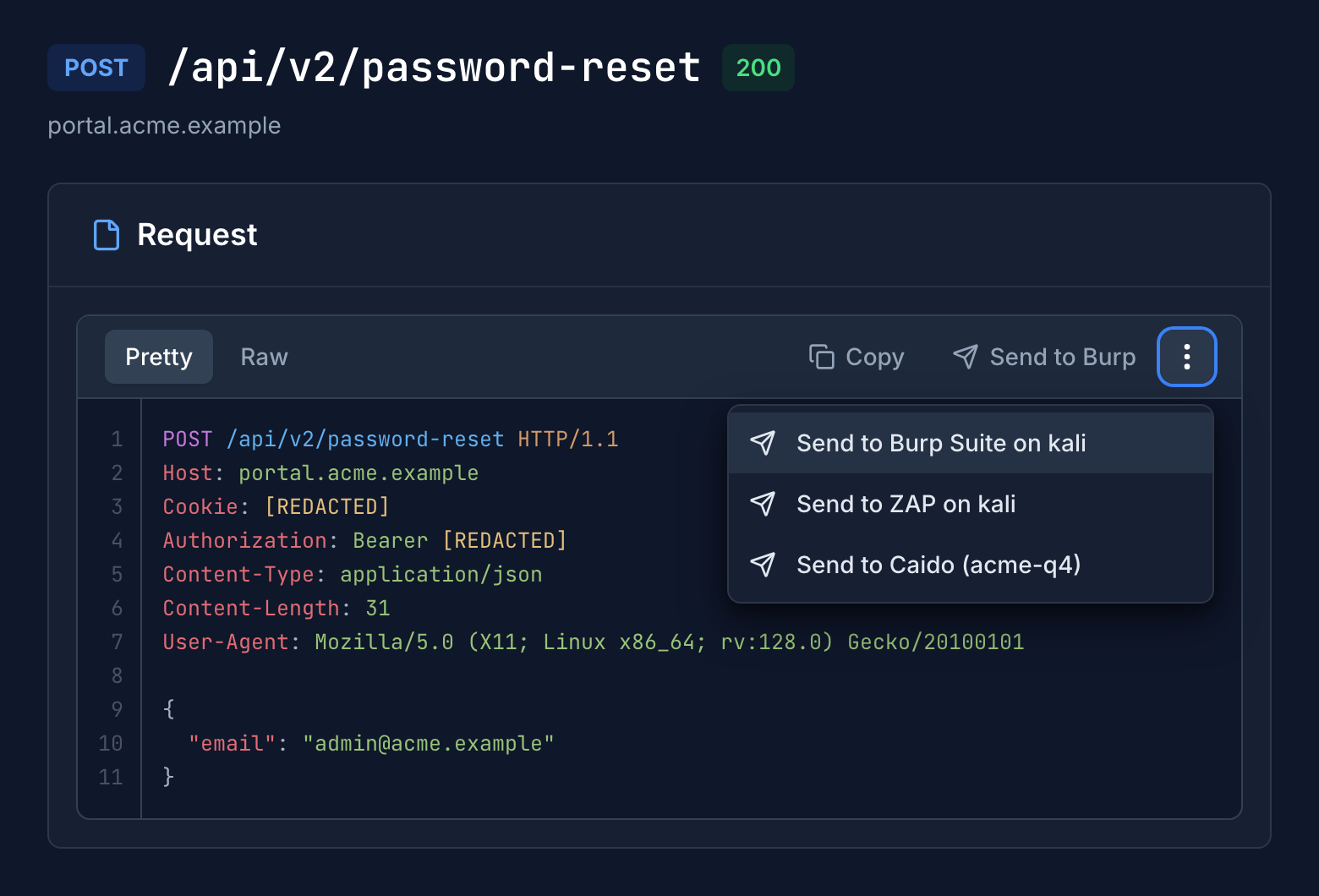
Web testers live in their proxy, so Neuron goes there. With the Neuron extensions for Burp Suite, ZAP and Caido, a request or scanner issue reaches the engagement with a right-click, with the request and response attached as evidence and secrets redacted before anything is stored.
It works in the other direction too. Any request in Neuron goes back to whichever tool is connected with Send to Burp. Import an OpenAPI or Swagger spec and every endpoint, method and parameter is in scope before the first request is sent, and Nuclei, ffuf, Nikto, Acunetix and Invicti results land against the web app they belong to.
Web and API tools that feed the engagement
Active Directory Penetration Testing
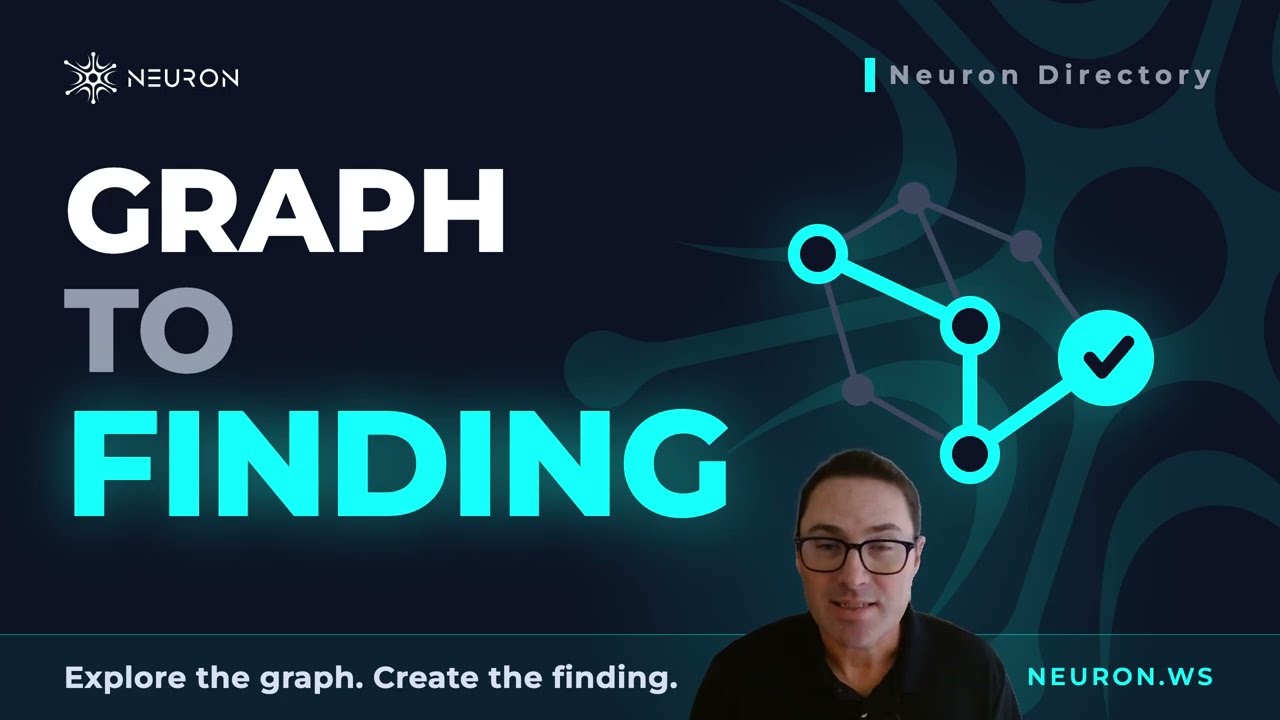
Import SharpHound or AzureHound data and the attack graph lives inside the engagement. Every engagement keeps its own directory dataset, so there is no shared database to clear between clients, and last week's domain is exactly where you left it.
Several testers work the same graph at once. Run NetExec and Certipy through the Neuron CLI and the hosts, shares, credentials, certificate templates and ESC conditions they find land in the engagement. When a path is worth reporting, it becomes a finding with the diagram in the write-up and every step on the route linked to it.
Active Directory tools that feed the engagement
Internal and External Network Penetration Testing
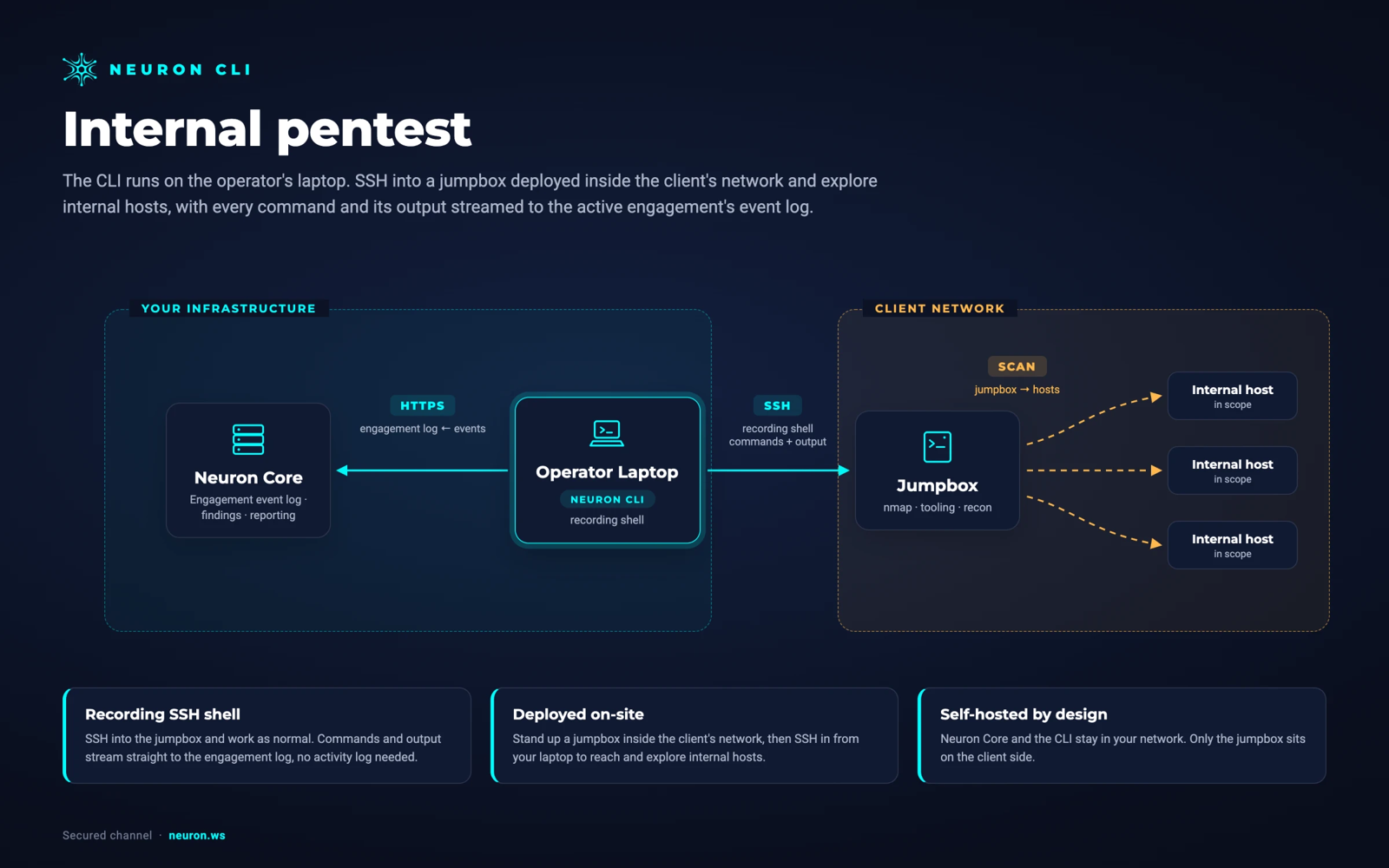
Run Nmap and Masscan through the Neuron CLI, on your laptop or over SSH on a jumpbox inside the client network, and hosts, ports and services land in the engagement when the scan finishes. Every command you run in the recording shell is logged to the engagement timeline with its output.
Nessus, Qualys, OpenVAS and Nexpose results go into one Scan Issues queue, where the team triages, assigns and promotes them into findings. Shodan and Censys exports map the external perimeter before you send a packet, and a PCAP import picks up internal hosts without scanning at all.
Network tools that feed the engagement
Red Team Operations
Collectors stream Mythic, Sliver and Metasploit into the engagement for as long as the operation runs. Every task, callback, credential and file lands on the timeline as it happens, and operators SSH into the C2 server through the Neuron CLI recording shell, so the activity log writes itself.
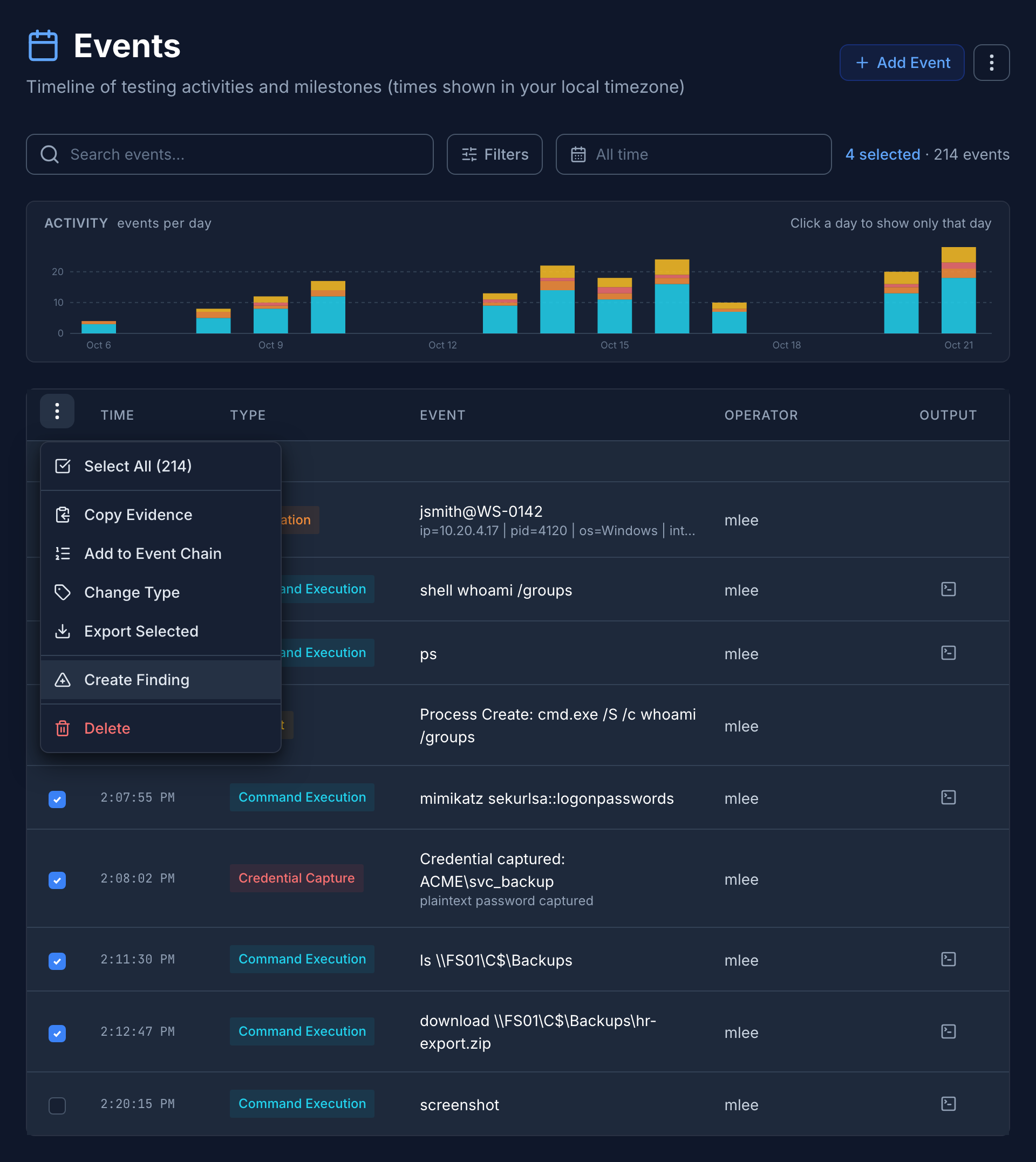
When the op ends, select the events that tell the story and turn them into a finding. Echo Up drops a file onto a target through the shell you already have, with no callback, no staging server and no new outbound traffic to explain.
Red Team tools that feed the engagement
Phishing and Social Engineering Assessments
Attach a Neuron collector to GoPhish or Evilginx and campaign results land on the engagement as they happen: emails sent, opened, clicked and reported, submitted credentials and captured session tokens, matched to the people you targeted.
There are no CSV exports to reconcile at the end, and the campaign sits in the same engagement as the technical findings it leads to.
Phishing tools that feed the engagement
Cloud Security Assessments
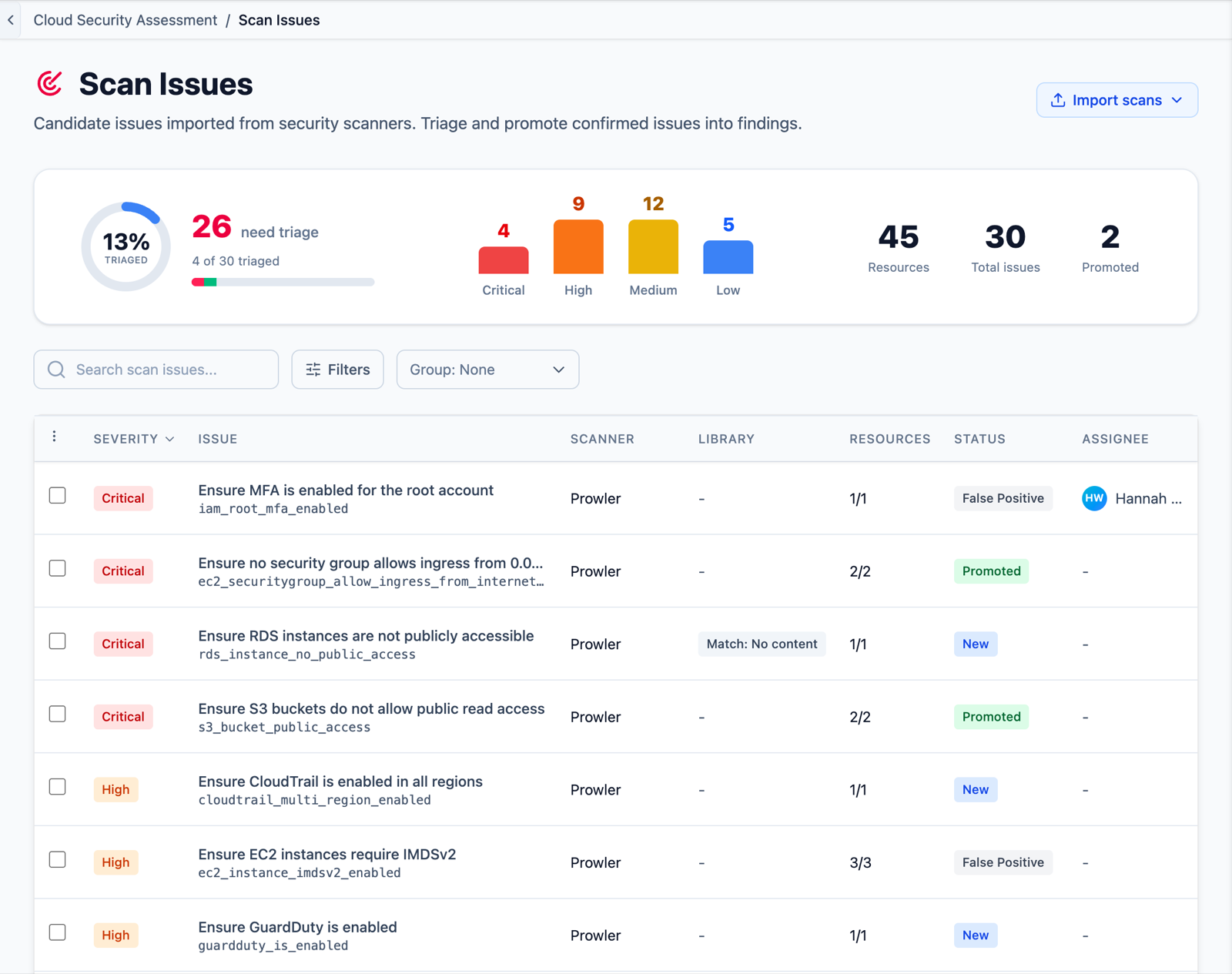
Import Prowler or ScoutSuite output and every failed check lands in the Scan Issues queue with its affected resources, across AWS, Azure and GCP. Prowler results keep their remediation code and compliance mappings.
The team triages the queue together, Neuron matches each issue to your Findings Library by check code, and confirmed issues are promoted into findings in bulk.
Cloud tools that feed the engagement
Mobile Application Penetration Testing
Load a MobSF JSON report and code, manifest, network and binary issues land in the same triage queue as the rest of the engagement, with the files attached. What you confirm becomes a finding that goes through the same review and delivery as every other assessment.
Mobile tools that feed the engagement
Different Tools. The Same Delivery.
Whatever the assessment type, findings go through the same library, review and delivery.
Findings Library
Approved Risk Statements and Remediation Guidance, reused on every engagement. AI drafts only the engagement-specific parts.
AI Reporting
Findings drafted by AI running on your own hardware. No prompt leaves your network.
QA Pipeline
Finding-level review and approval during the engagement, not the night before delivery.
Retests
Every retest round is its own record, with its own dates, scope and evidence.
Client Portal
Clients follow the engagement and see only findings that passed review.
Workflow Integrations
Approved findings pushed into Jira and ServiceNow with your own field mapping.
Ready to Transform Your Security Practice?
See how Neuron helps security teams replace fragmented tools with a single platform for offensive security, bringing structure, visibility, and consistency to every engagement.
Platform